Pages

Showing posts with label Grammar. Show all posts

Monday, 14 September 2026

Have or Have got?


For starters, when it comes to the English language, it’s helpful to notice the difference between American and British English:

The verb “have” in American English


The verb “have got” in British English

As can be easily seen, the structures of all types of sentences – positive, negative and questions – are different. However, we should emphasize that in the Polish education system British English is more common, and the overseas structures are barely presented.


Ex. 1 


Sunday, 19 September 2021

The verb "have got"


Watch the video and answers the different questions that are presented to you during the video.

The video contains pictures from the movie "The Croods" and the main aim of the activity is to learn and practise how to describe people and their appearance.


Friday, 17 September 2021

The verb "to be"

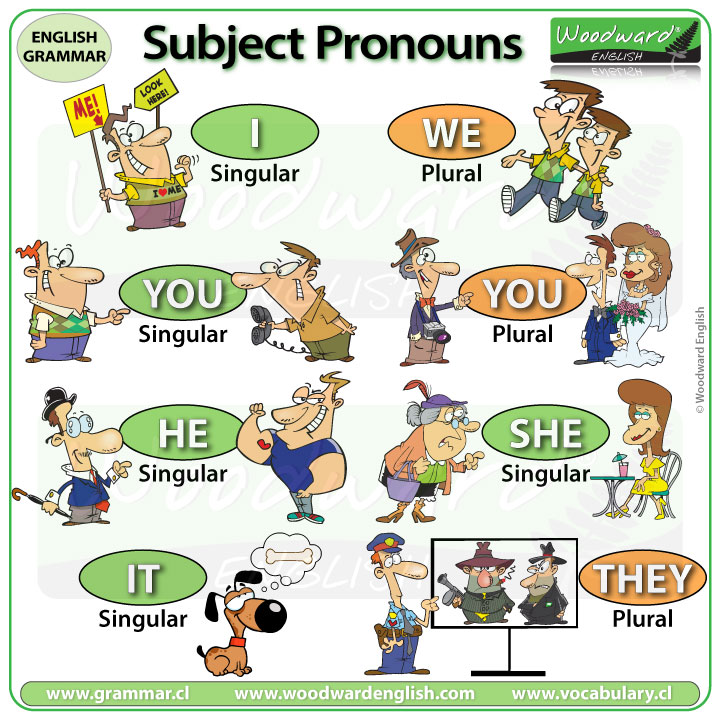
Here you have mind map for the verb TO BE and the personal pronouns.

In these videos, you can watch a tutorial about the verb to be with some sentences to practice.


Thursday, 13 February 2020

Expressions of quantity


Expressions of quantity tell us how many or how much of something there is.


We use a little and much only with non-countable nouns like money, snow, pollution etc.

We use a few and many only with countable nouns like people, cars, books etc.

Let’s take a look at some expressions of quantity that are used with both countable and non-countable nouns:

Countable and Non-countable Expressions of Quantity
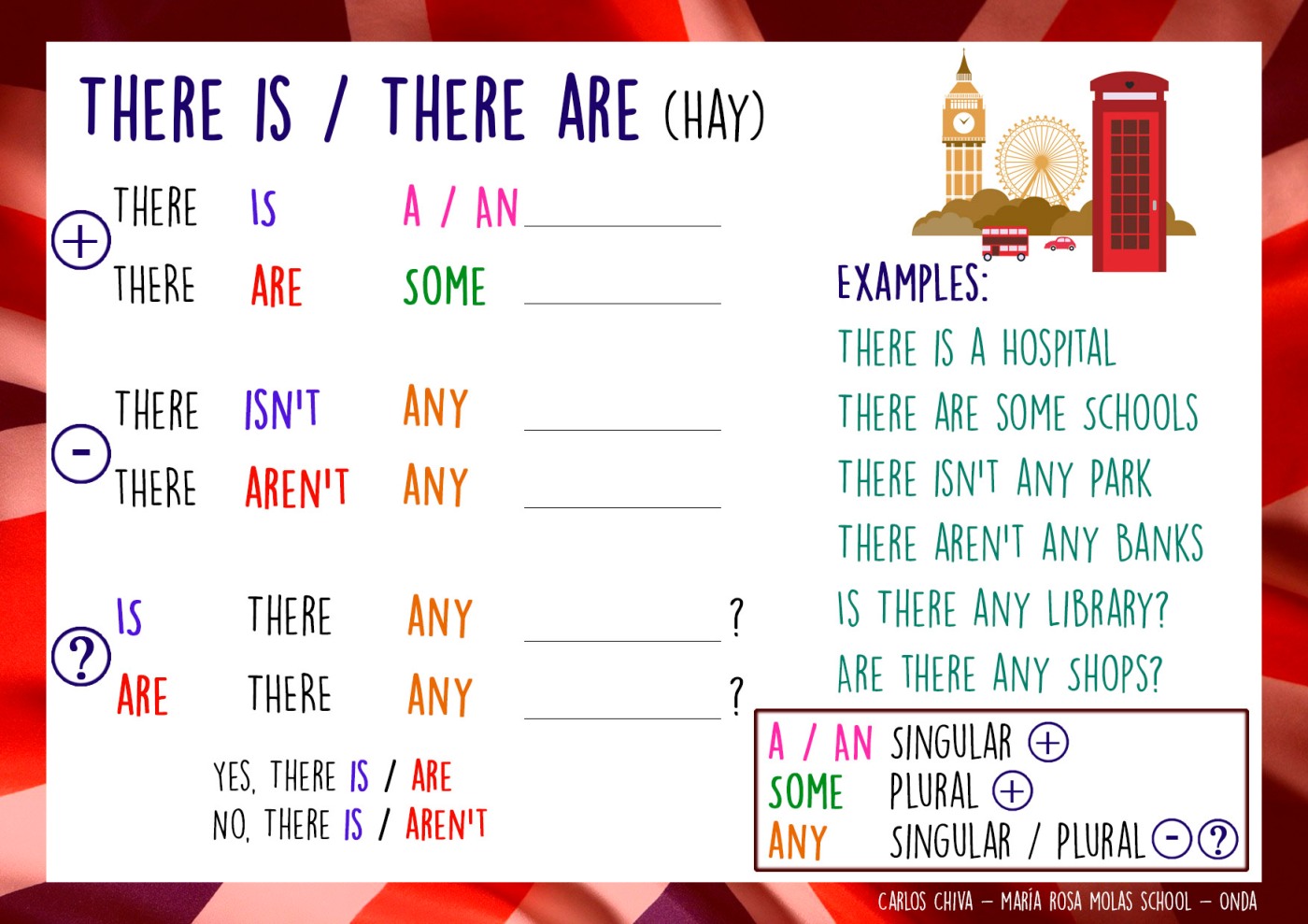
Any
Countable: There aren’t any cookies left. (negative) / Are there any cookies left? (question)
Non-countable: There isn’t any water in the cup. (negative) / Is there any water in the cup? (question)

No
Countable: There are no dogs in the park.
Non-countable: There is no money in my wallet.
Some
Countable: Some children study here in the mornings. (affirmative)
Non-countable: There is some noise coming from that house. (affirmative)
More
Countable: There are more students in this school than in that other one.
Non-countable: There is more crime in poor countries than in rich countries.
A lot of / lots of
Countable: She has a lot of / lots of pets.
Non-countable: There’s a lot of / lots of traffic in my city.
Plenty of
Countable: There are plenty of cars on the street.
Non-countable: There is plenty of food in the fridge.
Most
Countable: She keeps most of her books in her backpack.
Non-countable: We spent the most time on the renovations.
All
Countable: Who ate all the oranges?
Non-countable: Jessica is the one with all the experience.
Enough
Countable: There aren’t enough cookies for everyone, we need to buy some more.
Non-countable: There is enough space for both of us.


Click on the exercises below to practice quantity expressions:


             First English
                                    Agenda Web
                                                                 Quiz


Thursday, 12 September 2019

Saxon genitive


Exercise 1

                     Exercise 2 


                                                                   Exercise 3

                          
Exercise 4


                                           Exercise 5


Tuesday, 15 May 2018

Present Perfect or Past Simple?


Do you know the difference of usage between present perfect and past simple?


Let's start with a joke!


If you understand the joke, then you understand how to use the present perfect in English!

Watch these videos to remember the rules and compare it to the past simple tense:


Now watch this other video for more practice:


Follow this link for more explanations...

Now, do you understand the joke below?


I hope so!

So click Bart to get some practice!